Diversity is not a crime
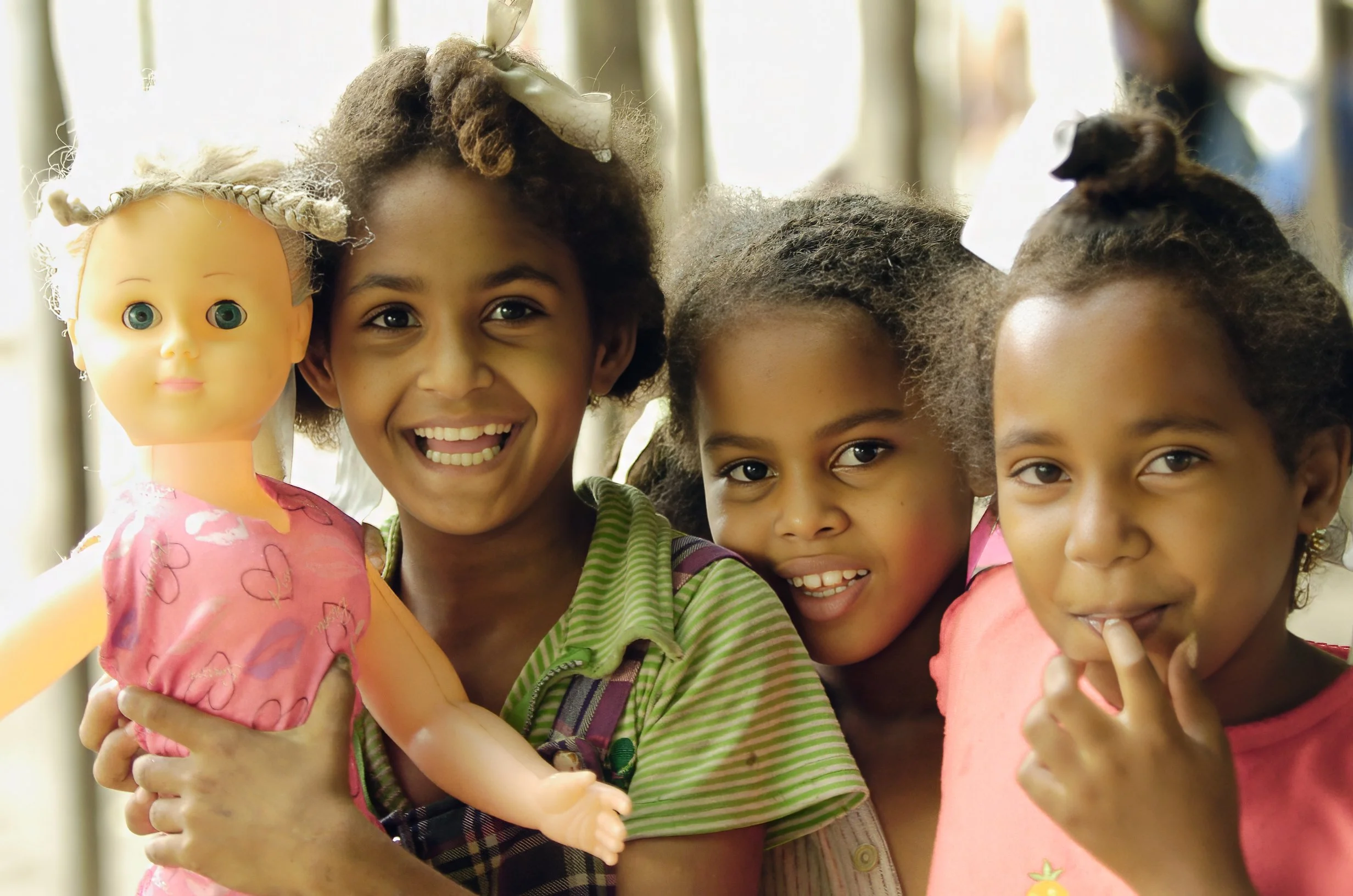
Photo by Sam LuceroDuring college, I served a journalism internship at the Uintah Basin Standard, a small newspaper in Roosevelt, Utah. In addition to the usual reporter’s tasks, I helped deliver bundles of newspapers to newsstands around town after the papers came off the press.
One day, while delivering newspapers to a grocery store, I was accompanied by a high school student, Kenny, who worked summers at the paper. Roosevelt, like most of rural Utah, is heavily Mormon. It is also home to members of the Ute Indian Tribe, who are from the nearby UintahOuray Indian Reservation.
As we entered the store, a young Ute girl, about 10 years old, was walking out. What happened next has stayed with me these past 40 years. Unprovoked, Kenny barked out a string of racially derogatory words while telling the girl to move out of the way. I had never heard him use offensive words in the short time I knew him. I was caught off guard and I said nothing. To this day, the incident — including the look on the young girl’s face — haunts me.
I, too, was no stranger to racism, having experienced a few personal encounters. One night in college, during the 444-day Iranian Hostage Crisis, I was walking to my car in the dormitory parking lot when a car with several people sped past me and yelled, “Go home Iranian.” All dark-skinned people, regardless of ethnicity, were apparently viewed as Middle Eastern foreigners.
These and other incidents aimed more accurately at my Hispanic background came to mind during a session on cultural diversity several years ago. Peter Weiss, director of living justice for Catholic Charities, gave examples from Scripture of how diversity is part of God’s plan.
“Diversity is not an accident,” Weiss told us. “It’s part of the design and we ought to honor that as well.”
When we dehumanize other people because of their skin color or some other distinct feature — either through words, actions or inactions — we reject God. As followers of Christ, we are called to accept diversity and respect human dignity. So, what are a few simple steps we, as people of faith, can follow to accept diversity and learn to see other people in God’s image and likeness?
The best advice comes from a Black Catholic who was featured in a photo exhibit, “Open Wide Our Hearts,” created by Weiss. The exhibit was in response to the U.S. bishops’ pastoral letter against racism.
“So to people in Catholic parishes I would say, ‘Let your uncomfortable become your comfortable.’ When you see people like me walk in (to church), even if it makes you uncomfortable, challenge yourself and let it be something where we grow as women and men. People are going to make mistakes, but don’t let that stop you from reaching out, otherwise we become part of the problem. As long as we’re learning and challenging ourselves, we are making progress.”
Accepting diversity and defending it should be part of our daily challenge. Instead, thanks to the Trump administration, diversity, equity and inclusion have become illicit acts. If you’re a federal agency, business or university that receives government aid, supporting these policies lead to loss of funding.
After graduating from college, I was hired as a staff writer at the Intermountain Catholic, newspaper for the Diocese of Salt Lake City. It was there that I was introduced to such concepts as Catholic social teaching.
These two experiences — the incident in Roosevelt and a growing understanding of the church’s centuries-old wisdom on the dignity of human life — became part of my inspiration as a Catholic journalist.
During those years, readers asked via letters, emails and phone calls, why I focused so much of my time, particularly in editorials, defending immigrants, inmates, people of color and others who either live on the margins of society or are treated unfairly.
It’s because of people like the young Ute girl in Roosevelt. My sin of omission (not challenging my young Utah friend against offensive words) is just as harmful as the sin of committing actions that denigrate human dignity.
May we all learn to stand up for people of color and, in doing so, celebrate the diversity that God intended for the world.
